

Key Figures
Waste categories accepted from metals & steel production
Hazardous waste treatment capacity at BeAAT
Phases handled — liquid, sludge and solid
Contract, two plants, one point of accountability
The challenge
Heavy industry produces hazardous waste at heavy-industry volumes.
Steel and aluminium production concentrates hazard in the residues rather than the product. Oily emulsions and washing waters from mills, grinding sludges and filtration cakes, spent acids and solvents, and thermal process wastes including spent pot lining and aluminium dross — all generated continuously, in tonnages that overwhelm small-scale disposal routes.
Magma is built for that scale. BeAAT accepts liquid, sludge and solid fractions under one contract at 62,000 tonnes a year, so a mill places its full hazardous profile with a single licensed operator inside the Emirates rather than splitting it across vendors or exporting it.
Across the planet
Where we come in
01 — SMELTING
Furnace & potline
Thermal process wastes, spent pot lining from aluminium reduction cells, aluminium dross and skimmings, refractory residues.
02 — ROLLING & FORMING
Mills & machining
Oily emulsions and rolling oils, hydrocarbons, grout mud and grinding sludges, washing waters from strip and bar lines.
03 — RINSE & EFFLUENT
Pickling & effluent plant
Basic acids and solvents, sludges and cakes from filtration and effluent treatment, contaminated packaging from consumables.
Accepted waste streams
Metals & Steel Industry
Not exhaustive. If your stream is not listed, send the characterisation — most metals production waste has a route at BeAAT.
Treatment Routes
Where your waste is treated
Surface treatment waste is handled at BeAAT. Where a stream also carries radioactivity, our NORM plant takes it under the same contract.

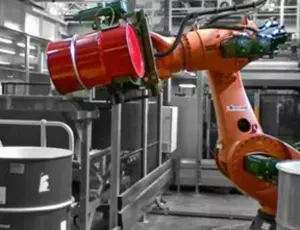
How we work with mills
From characterisation to certificate of disposal.
Characterisation
Sampling and analysis to confirm oil content, metal loading, reactivity and the correct treatment route.
Scheduled uplift
Bulk tanker, skip or IBC collection matched to production rate, manifested per consignment.
Treatment
Separation, processing or final disposal at BeAAT, with oil and metal recovery prioritised where viable.
Traceability
Documented chain of custody and disposal records for your HSE and regulatory reporting.