

Key Figures
Waste categories accepted from refining & petrochemicals
NORM sludge capacity for onshore & offshore drilling
Hazardous waste treatment capacity at BeAAT
Contract, two plants, one point of accountability
The challenge
Hydrocarbon production creates liabilities that cannot leave the country.
Oil and gas operations generate the widest hazardous waste profile of any sector: tank bottoms and desalting sludges, spent catalysts, acid tars, contaminated soils and protective equipment, and naturally occurring radioactive material concentrated in drilling and production sludges.
Export routes for these streams are slow, expensive and increasingly restricted. Magma exists to close that gap locally — two licensed plants in Abu Dhabi, treating hazardous and radioactive waste under one operator, so a stream never has to be split across vendors or shipped out of the Emirates.
Across the value chain
Where we come in
01 — UPSTREAM
Drilling & production
NORM-bearing sludges from onshore and offshore wells, produced water residues, oily emulsions and contaminated drilling equipment.
02 — MIDSTREAM
Storage & transport
Tank bottom sludges from cleaning campaigns, lost hydrocarbons and oils, soiled absorbents, filter materials and drums.
03 — DOWNSTREAM
Refining & petrochemicals
Spent catalysts, in-situ effluent treatment sludges, acid tars and bitumen mixes, sulfur-bearing chemical waste and off-spec product.
Accepted waste streams
Refineries & petrochemicals
Not exhaustive. If your stream is not listed, send the characterisation — most oil and gas waste has a route at one of our two plants.
Treatment Routes
Where your waste is treated
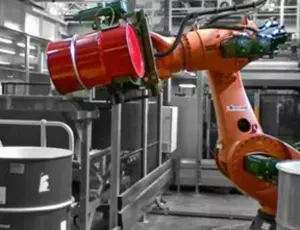
Both plants sit in Abu Dhabi and operate under one contract, so mixed consignments are characterised once and split internally.

How we work with operators
From characterisation to certificate of disposal.
Characterisation
Sampling and analysis to confirm the stream, its hazard profile and the correct treatment route.
Logistics
Packaging, manifesting and compliant transport from site to plant, onshore or from offshore support bases.
Treatment
Recycling, processing or final disposal at BeAAT or NORM, with recovery prioritised wherever the stream allows.
Traceability
Documented chain of custody and disposal records for your HSE and regulatory reporting.